

Tenerife's gastronomy: what we recommend trying on your holidays on the island
The gastronomy of the Canary Islands reflects centuries of history, cultural influences from Europe, Africa, and Latin America, a unique climate and biodiversity, and a strong connection with local products.
The result is a cuisine that is both modern and traditional, full of flavor, and where quality ingredients play a prominent role: gofio, fish, seafood, cereals, potatoes and sweet potatoes, fruits, vegetables, and meat predominate in the island's typical recipes.
The gastronomic richness of the Canary Islands is undeniable and is part of the archipelago's identity; in today's article, we want to highlight mainly the typical dishes of Tenerife, with their unique essence and strong, exotic flavors that awaken emotions.
If you are thinking of visiting the island and want to enjoy new flavors, here are some appetizing recommendations for demanding palates.
It is impossible to talk about the gastronomy of Tenerife without starting with the famous papas arrugadas, prepared with small potatoes boiled with their skins on in very salty water until the skin becomes wrinkled.
The potatoes are usually served with traditional sauces called "mojo." The two most well-known are mojo picón, slightly spicy and made with red pepper, garlic, and olive oil, and mojo verde, prepared with green pepper, cilantro, or parsley.
Despite the simplicity of the recipe, this is one of the most iconic dishes of the archipelago and accompanies practically everything: fish, meat, or even as a starter to share.
The quality of the local potatoes, grown in volcanic soils, contributes to a very particular flavor that you will hardly find in other regions of Spain.
The sancocho is one of the most traditional dishes of the islands and occupies a special place in the local gastronomic culture.
This recipe usually consists of salted fish, generally wreckfish or sea bass, accompanied by sweet potato, wrinkled potatoes, and mojo. It is a dish associated with family celebrations and important holidays, especially during Holy Week.
The combination may seem simple at first glance, but the contrast between the intense flavor of the fish, the sweetness of the sweet potato, and the intensity of the mojos creates a gastronomic experience that is very characteristic of the Canary Islands.
For those looking to discover the dishes of the Canary Islands, the Sancocho is undoubtedly one of the most traditional.
Among the typical Tenerife dishes most appreciated by locals is ropa vieja. Although the name might surprise those trying it for the first time, it is a rich and comforting recipe prepared with meat or fish, chickpeas, potato, and various seasonings.
The origin of the dish is associated with the use of leftovers from traditional stews, a common practice in many Mediterranean kitchens. Over the years, the recipe evolved and became a specialty in its own right.
Every family and every restaurant has its own version, but the result is always a tasty dish, perfect for those who want to get to know the most homemade and genuine cuisine of the island.
Tenerife's privileged location in the Atlantic Ocean means that fish plays a fundamental role in the local diet.
Among the various species that are part of Canarian gastronomy, this fish with its white, firm, and delicate meat is considered a true delicacy by the inhabitants of the island.
You can find it prepared in various ways, such as grilled, roasted, or integrated into traditional recipes like sancocho. Restaurants in the north of Tenerife usually feature simple preparations that allow you to appreciate the freshness and quality of the product, accompanied by seasonal vegetables and wrinkled potatoes.
Many visitors are surprised to discover the extraordinary quality of the cheeses produced in the archipelago.
The islands have a long pastoral tradition and produce some of the most awarded cheeses in Spain. Made with goat's milk, sheep's milk, or blends of both, they offer a great variety of flavors and textures.
In Tenerife, it is common to find fresh, semi-cured, and cured cheeses, some of them covered with paprika or gofio, another traditional ingredient of the Canary Islands.
A simple board of local cheeses accompanied by wine produced on the volcanic slopes of the island can become one of the most memorable gastronomic experiences of the trip.
Although it does not always appear in the most well-known gastronomic guides, gofio is one of the most representative foods of the Canarian identity.
Produced from toasted and ground cereals, it was consumed by the Guanche people long before the arrival of the Castilian conquerors.
Nowadays, it continues to be present in countless recipes, both sweet and savory, and can be served as an accompaniment to broths, incorporated into desserts, or used to prepare the traditional pella de gofio, a compact dough that is highly appreciated on the islands.
One of the most interesting characteristics of the gastronomy of the Canary Islands is its deep connection with the territory. The volcanic soils, the varied climate, and the proximity to the ocean allow for the development of products with very unique characteristics.
Tropical fruits, locally grown vegetables, fresh fish, and high-altitude wines are part of a gastronomic offer that is increasingly valued by travelers looking for authenticity.
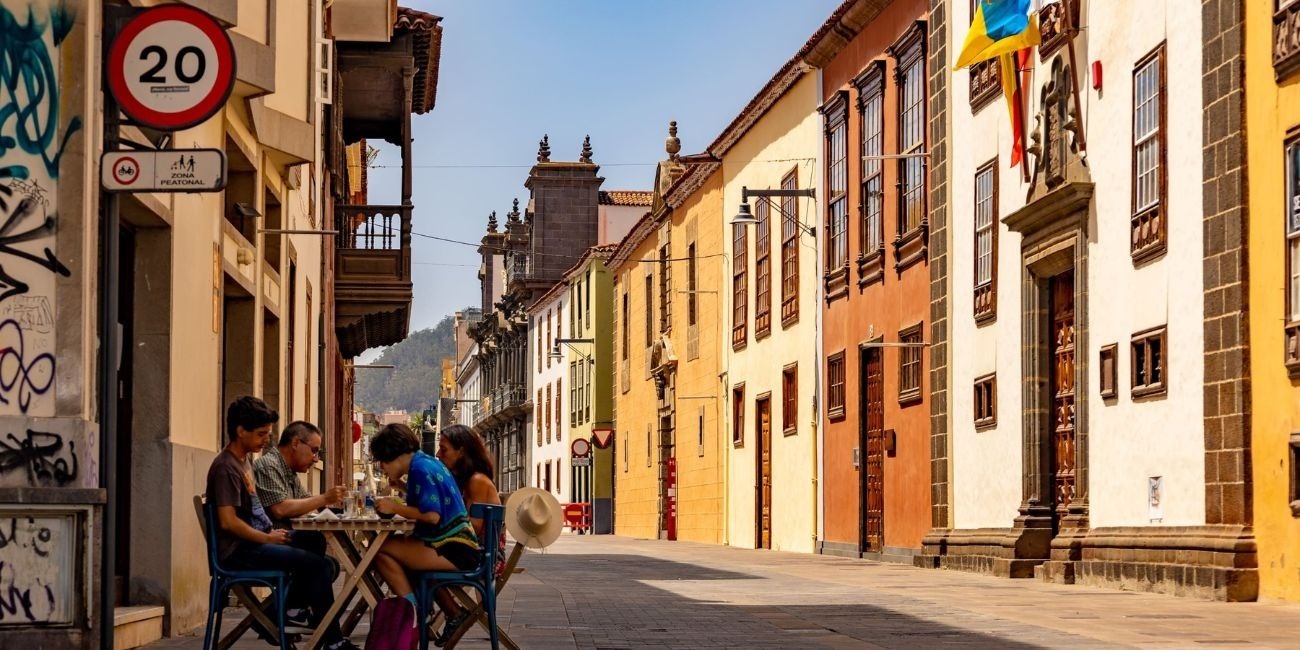
For this reason, during your holidays in Tenerife, we recommend that you go beyond the more touristy restaurants and look for small family establishments, local markets, and guachinches—those small taverns originally created by wine producers to sell their output, which over time began adding typical island snacks to their menus.
Getting to know Tenerife through its cuisine is one of the most authentic ways to understand the island's identity. From the simple flavors of wrinkled potatoes to the richness of sancocho, from artisanal cheeses... each recipe tells a story linked to the territory, the people, and local traditions.
Just as with the landscapes, culture, and historical heritage, the gastronomy of Tenerife invites you to explore the island calmly, appreciating every detail. After all, some of the best memories of a trip are born precisely around a table.
The result is a cuisine that is both modern and traditional, full of flavor, and where quality ingredients play a prominent role: gofio, fish, seafood, cereals, potatoes and sweet potatoes, fruits, vegetables, and meat predominate in the island's typical recipes.
The gastronomic richness of the Canary Islands is undeniable and is part of the archipelago's identity; in today's article, we want to highlight mainly the typical dishes of Tenerife, with their unique essence and strong, exotic flavors that awaken emotions.
If you are thinking of visiting the island and want to enjoy new flavors, here are some appetizing recommendations for demanding palates.
Wrinkled potatoes (Papas arrugadas) with mojo
It is impossible to talk about the gastronomy of Tenerife without starting with the famous papas arrugadas, prepared with small potatoes boiled with their skins on in very salty water until the skin becomes wrinkled.
The potatoes are usually served with traditional sauces called "mojo." The two most well-known are mojo picón, slightly spicy and made with red pepper, garlic, and olive oil, and mojo verde, prepared with green pepper, cilantro, or parsley.
Despite the simplicity of the recipe, this is one of the most iconic dishes of the archipelago and accompanies practically everything: fish, meat, or even as a starter to share.
The quality of the local potatoes, grown in volcanic soils, contributes to a very particular flavor that you will hardly find in other regions of Spain.
Canarian Sancocho
The sancocho is one of the most traditional dishes of the islands and occupies a special place in the local gastronomic culture.
This recipe usually consists of salted fish, generally wreckfish or sea bass, accompanied by sweet potato, wrinkled potatoes, and mojo. It is a dish associated with family celebrations and important holidays, especially during Holy Week.
The combination may seem simple at first glance, but the contrast between the intense flavor of the fish, the sweetness of the sweet potato, and the intensity of the mojos creates a gastronomic experience that is very characteristic of the Canary Islands.
For those looking to discover the dishes of the Canary Islands, the Sancocho is undoubtedly one of the most traditional.
Ropa vieja
Among the typical Tenerife dishes most appreciated by locals is ropa vieja. Although the name might surprise those trying it for the first time, it is a rich and comforting recipe prepared with meat or fish, chickpeas, potato, and various seasonings.
The origin of the dish is associated with the use of leftovers from traditional stews, a common practice in many Mediterranean kitchens. Over the years, the recipe evolved and became a specialty in its own right.
Every family and every restaurant has its own version, but the result is always a tasty dish, perfect for those who want to get to know the most homemade and genuine cuisine of the island.
Wreckfish (Cherne)
Tenerife's privileged location in the Atlantic Ocean means that fish plays a fundamental role in the local diet.
Among the various species that are part of Canarian gastronomy, this fish with its white, firm, and delicate meat is considered a true delicacy by the inhabitants of the island.
You can find it prepared in various ways, such as grilled, roasted, or integrated into traditional recipes like sancocho. Restaurants in the north of Tenerife usually feature simple preparations that allow you to appreciate the freshness and quality of the product, accompanied by seasonal vegetables and wrinkled potatoes.
Canarian Cheeses
Many visitors are surprised to discover the extraordinary quality of the cheeses produced in the archipelago.
The islands have a long pastoral tradition and produce some of the most awarded cheeses in Spain. Made with goat's milk, sheep's milk, or blends of both, they offer a great variety of flavors and textures.
In Tenerife, it is common to find fresh, semi-cured, and cured cheeses, some of them covered with paprika or gofio, another traditional ingredient of the Canary Islands.
A simple board of local cheeses accompanied by wine produced on the volcanic slopes of the island can become one of the most memorable gastronomic experiences of the trip.
Gofio
Although it does not always appear in the most well-known gastronomic guides, gofio is one of the most representative foods of the Canarian identity.
Produced from toasted and ground cereals, it was consumed by the Guanche people long before the arrival of the Castilian conquerors.
Nowadays, it continues to be present in countless recipes, both sweet and savory, and can be served as an accompaniment to broths, incorporated into desserts, or used to prepare the traditional pella de gofio, a compact dough that is highly appreciated on the islands.
A gastronomy linked to the territory
One of the most interesting characteristics of the gastronomy of the Canary Islands is its deep connection with the territory. The volcanic soils, the varied climate, and the proximity to the ocean allow for the development of products with very unique characteristics.
Tropical fruits, locally grown vegetables, fresh fish, and high-altitude wines are part of a gastronomic offer that is increasingly valued by travelers looking for authenticity.
For this reason, during your holidays in Tenerife, we recommend that you go beyond the more touristy restaurants and look for small family establishments, local markets, and guachinches—those small taverns originally created by wine producers to sell their output, which over time began adding typical island snacks to their menus.
Discovering Tenerife through its gastronomy
Getting to know Tenerife through its cuisine is one of the most authentic ways to understand the island's identity. From the simple flavors of wrinkled potatoes to the richness of sancocho, from artisanal cheeses... each recipe tells a story linked to the territory, the people, and local traditions.
Just as with the landscapes, culture, and historical heritage, the gastronomy of Tenerife invites you to explore the island calmly, appreciating every detail. After all, some of the best memories of a trip are born precisely around a table.